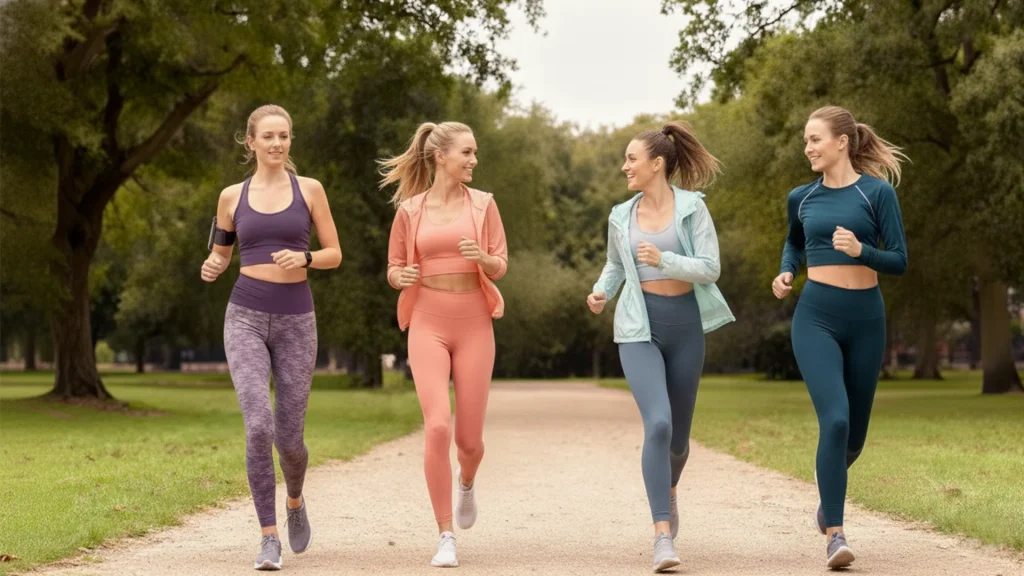
Across Amazon’s bestselling yoga leggings and independent lab tests, 7 complaints keep repeating: sheer fabric in the squat test, pilling, rolling waistbands, inconsistent sizing, sports-bra pads that ball up in the wash, fading colors and split seams — and bulk orders that don’t match the approved sample. None of them is about design. Every one is a manufacturing decision: fabric spec, grading, construction, dyeing, inspection. Here’s each complaint, and how a serious yoga leggings supplier engineers it out.
These are reviews of other brands’ products, not ours. Vista is a B2B manufacturer — what we offer instead is thirteen years of making the garments behind other people’s labels.
1. “They’re see-through when I squat”
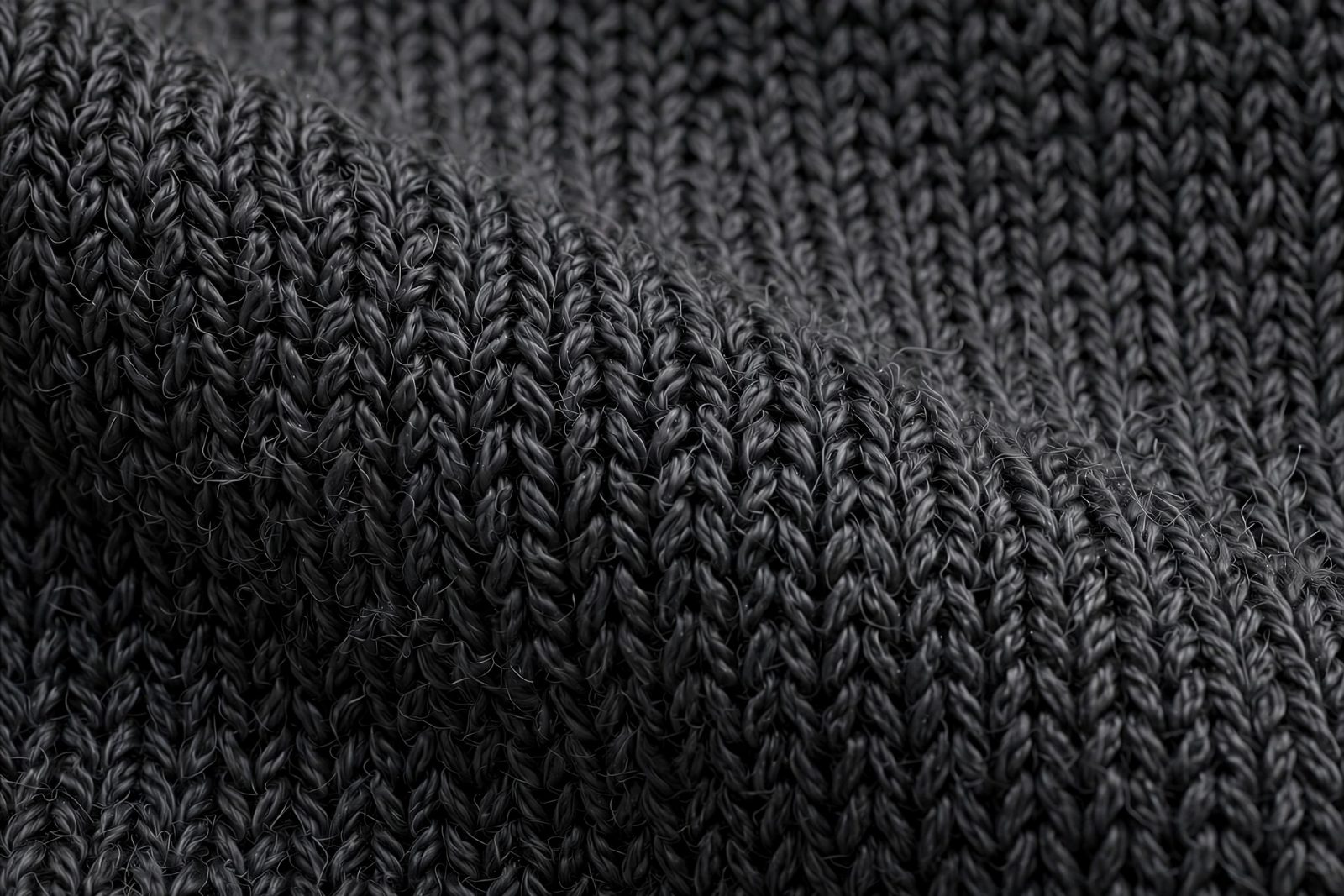
Opacity is the non-negotiable of the leggings category. In early 2026, even a premium brand made headlines when buyers called its new tights sheer and “not squat proof.” On Amazon UK, aggregated review panels for a bestselling seamless legging show shoppers split on the squat test — some confirming full opacity at the gym, others posting blunt warnings that the pair fails it. Reviewers of a 16,000-rating Amazon legging repeatedly mention doing “the squat test” before deciding to keep the pair.
What it costs you: A sheer legging doesn’t get a second chance. It gets a one-star review with photos, a return, and a customer who tells the gym group chat.
What a serious factory does: Opacity is engineered, not hoped for. It comes down to fabric weight (knit density/GSM), the right nylon-spandex or polyester-spandex blend, and testing every colorway — because a black legging that passes can still fail in cream or heather grey. At Vista, bulk fabric is checked against the approved sample before cutting, and finished pieces go through AQL 2.5 inspection, so the opacity your customer approved in the sample is the opacity that ships in the bulk run — every carton, whether the order is 1,000 pieces or 10,000. See how we spec this on our high-waist nylon-spandex yoga leggings.
2. “They pilled after a month”
Pilling is the durability complaint shoppers mention most. Lab-style reviewers have documented visible pilling at the inner thigh after just 15–20 wash cycles on popular budget sets; forums carry complaints about premium leggings pilling “after only a few wears.” The root cause is usually fabric choice: brushed or low-grade knits that can’t survive friction.
What it costs you: A legging that looks two years old after one month kills repeat purchases. Athleisure lives or dies on the second and third order.
What a serious factory does: Specify anti-pilling yarns, confirm the knit construction with the fabric mill, and wash-test the actual production fabric — not just the lab dip. A manufacturer with real QC (ours is AQL 2.5, audited under BSCI) treats pilling as a spec to pass, not a surprise to discover in reviews.
3. “The waistband rolls down every time I bend over”
Waistband failure is the fit complaint that rivals sheerness. Reviewers describe older pairs they are “constantly pulling up,” while the pairs they love get praised for a wide, high waistband that stays put through squats and spin class.
What it costs you: Nobody finishes a workout thinking about a great waistband — but everybody remembers a bad one. It’s the difference between “my favorite leggings” and a drawer of regrets.
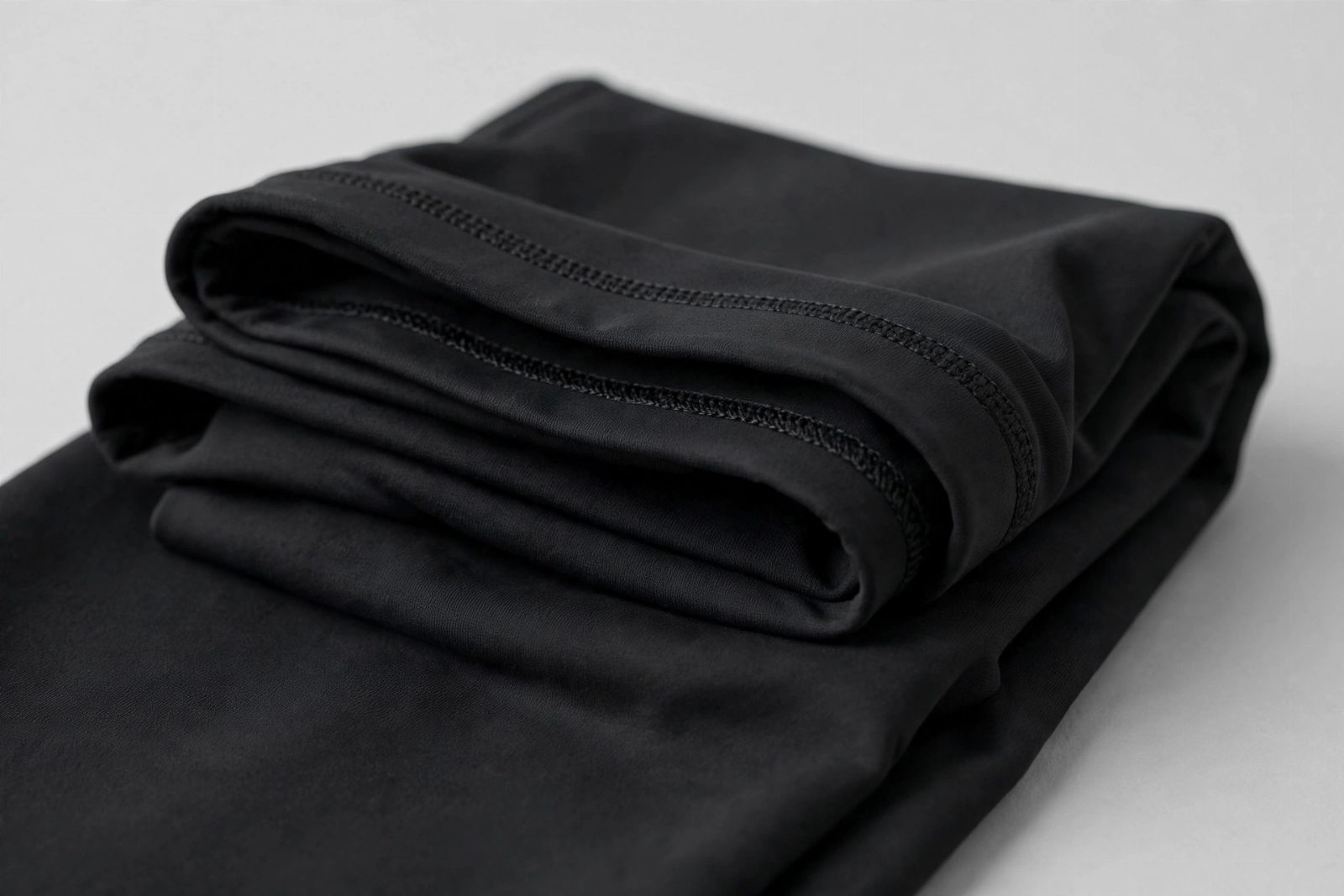
What a serious factory does: Pattern and construction solve this: a properly graded high rise, a wide waistband with the right elastic recovery, and reinforced stitching at stress points. These are sampling-stage decisions. Our sampling lead time is 7–10 days (see our sample policy), which means your brand can actually test-fit a waistband, request a revision, and re-test — instead of discovering the roll-down problem in bulk production. Browse our custom high-waist workout leggings to see this construction in a real style.
4. “The sizing is all over the place”
Few things erode trust faster than inconsistent sizing. Reviewers report needing a size down in one colorway and a size up in another; community threads describe ranging across several sizes within a single brand. Plus-size buying guides warn that a pair marked 2X can fit like a 1X, calling size-label shopping “the most common mistake.” For a brand, every sizing surprise is a return shipping label and a support ticket.
What it costs you: Inconsistent grading inflates return rates, and in wholesale, it inflates something worse — chargebacks and lost reorders from retail partners.
What a serious factory does: Grade from a master pattern, measure every size in the size set against the spec sheet, and keep the approved measurement chart as the bulk-production bible. When your tech pack says the waist is 68 cm in size M, bulk should say 68 cm in size M — in every color.
5. “The sports bra pads end up in a ball after every wash”
Removable cup pads are the small annoyance that generates outsized anger. Target guest reviews for a popular sports bra describe pads that “never stay in place” — migrating to one side in the wash, coming out permanently kinked. Long-term testers of mainstream sports bras report pads warping and working their way out until they simply remove them.
What it costs you: It’s a daily-use irritant, which makes it a daily reminder of your brand — for the wrong reason.
What a serious factory does: Offer better constructions: sewn-in pads, pad pockets with a smaller insertion opening, or molded cups that don’t need pads at all. And flag the trade-off honestly during sampling instead of after launch. A manufacturer that answers technical questions within 24 hours — as we commit to do — lets you resolve the pad question in the sampling round, not in the review section. This is one reason we offer constructions like our custom racerback sports bra, where pad placement can be re-specified per style.
6. “The color faded and the seams gave out”
Two workmanship complaints travel together: color that washes out and stitching that fails. Aggregated Amazon reviews for a bestselling printed legging show 14 negative mentions of rip resistance against 2 positive, with buyers reporting stitching undone after the first wash and back seams splitting on the second wear. Reviewers of other pairs note black fading toward grey within a few washes. At the extreme end, a US class action once alleged leggings so flimsy they tore like wet tissue on first wear.
What it costs you: Fading and seam failure scream “cheap” louder than any price tag. They are also the complaints most likely to include photos — the kind that live on in search results.
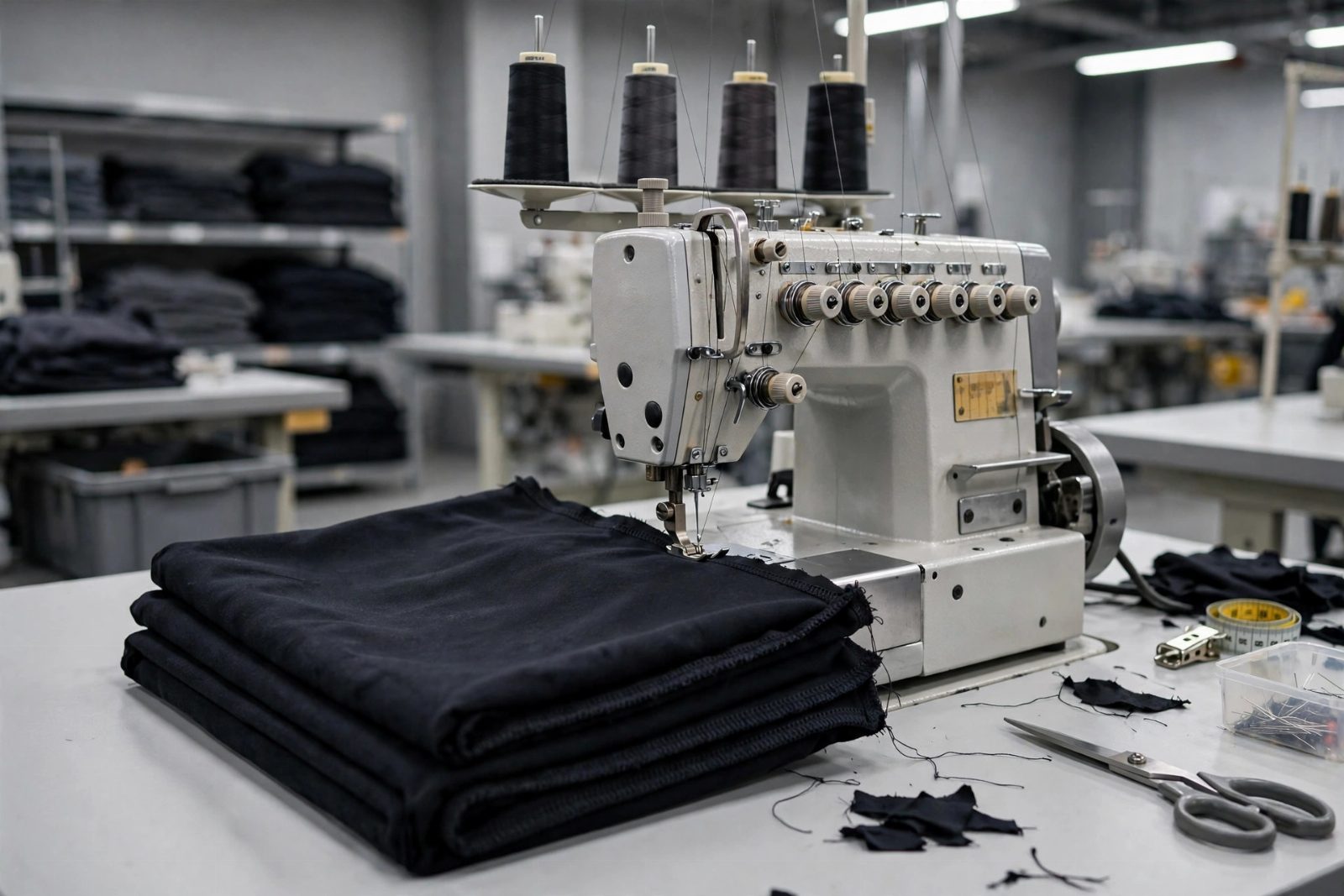
What a serious factory does: Colorfastness-tested dyeing, correct thread and stitch density for stretch fabrics (coverstitch/flatlock where it counts), and seam-strength checks in QC. Certifications matter here too: our fabrics can be supplied under OEKO-TEX and GRS standards, and production runs under SGS-audited systems — process discipline is what keeps a black legging black.
7. “The bulk order didn’t match the sample — and nobody replies”
This one comes from the B2B side, and it’s the complaint wholesale buyers fear most. Alibaba buyer feedback on Trustpilot includes a 2026 case where a bulk apparel order “differed from the sample in size and proportions” and the refund claim was rejected. Trade guides explicitly warn about “sample manipulation” — a perfect sample followed by cut corners in bulk — and advise buyers to lock color, material, and dimensions into the trade terms. Alibaba’s own content also flags on-time delivery and communication as recurring buyer pain points.
What it costs you: Everything above, multiplied. A bad bulk run doesn’t cost you one review — it costs you the season.
What a serious factory does: This is where manufacturer selection matters more than any single product spec. Look for: a stated sampling time you can hold them to (ours: 7–10 days), a stated bulk lead time (ours: 25–40 days), a real inspection standard (ours: AQL 2.5), a reply-time commitment (ours: within 24 hours), and third-party-audited certifications (ours: SGS, BSCI, GRS, OEKO-TEX). Then verify — ask for the QC report format before you place the order, not after.
The pattern behind all seven
Notice what the seven complaints have in common: none of them is about design. Shoppers rarely complain that a legging is ugly. They complain that it goes sheer, pills, rolls, mis-sizes, loses its pads, fades, splits — or that the bulk run betrayed the sample. Every one of these is a manufacturing decision: fabric spec, pattern grading, construction method, dyeing process, inspection standard.
That’s actually good news for a brand. Design taste is hard to outsource; manufacturing discipline is exactly what a good custom yoga wear manufacturer sells. With a 100-piece MOQ per style/color and sampling in 7–10 days, the distance between “we should fix the waistband” and a corrected sample in your hands is about a week.
If you’re developing a private label activewear line — leggings, sports bras, or full sets — bring us the complaints you never want to read about your own brand. We’ll show you, in a sample, how each one gets engineered out. Browse our women’s high-waist flare yoga pants or the wider custom leggings collection to see how these specs land in real styles.
Keep reading
Request a manufacturing quote
Tell us your styles, target fabrics, and quantities — we reply within 24 hours.