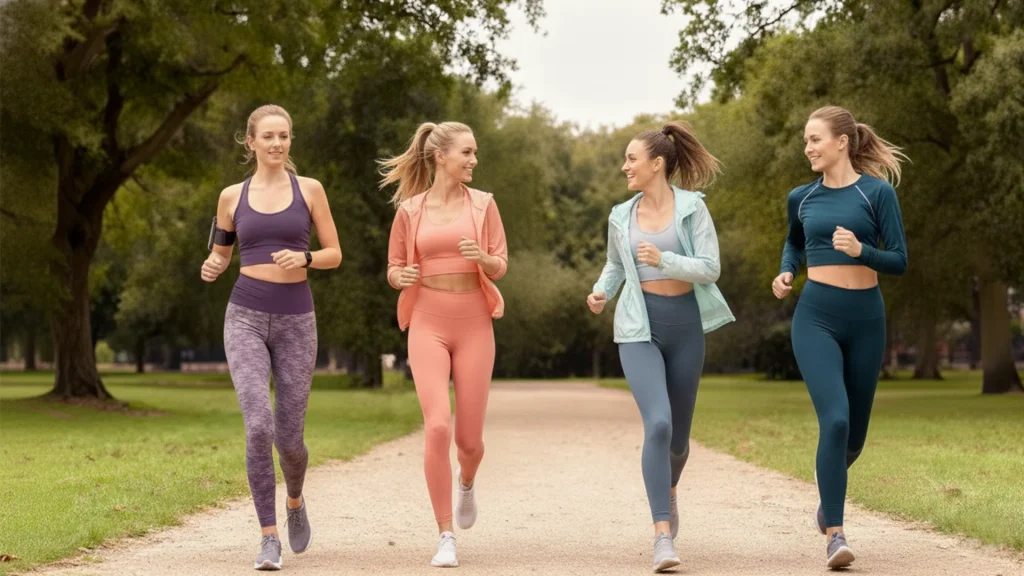
For a serious sportswear brand, custom manufacturing means more than adding a logo to an existing garment. It means developing products around your own fit, fabric, construction, branding and quality requirements.
Whether you are creating performance T-shirts, tracksuits, yoga pants, training shorts or a complete athleisure collection, a clear development process reduces risk before bulk production begins.
1. Full Custom Manufacturing vs. Logo Printing
A basic private-label program may allow a brand to add a logo, label, color or packaging to an existing garment style. Full custom sportswear manufacturing is more detailed: it may involve developing a pattern from your tech pack, adjusting fit and grading, selecting fabric, choosing garment construction, and creating custom colors, trims, labels and packaging.
Before starting, confirm what is existing, what is customizable, and what must be newly developed. This avoids confusion over pattern ownership, development costs and final specifications.
2. Start With a Detailed Tech Pack
A tech pack converts a design idea into a manufacturable garment. The more complete it is, the more accurate the quotation, sample plan and production schedule will be.
- Front and back technical sketches
- Garment type and intended use
- Measurement chart and grading rules
- Fabric composition, weight and finish requirements
- Color references, Pantone codes or physical swatches
- Stitching and construction details
- Logo artwork, placement and application method
- Labels, hangtags and packaging requirements
- Size range and estimated quantity per size
For performance products, explain how the garment should feel and perform. Notes such as “soft dry hand feel”, “matte surface”, “low cling”, “four-way stretch” or “not compression-like” are useful technical directions.
3. Fabric Development Is More Than Fiber Content
Two fabrics with the same composition can perform very differently. Yarn type, knit structure, finished GSM, dyeing, finishing and stretch recovery all affect the final garment.
When evaluating a fabric, review fiber composition, finished weight, knit or weave structure, stretch and recovery, opacity under movement, surface appearance, hand feel, pilling, color consistency and wash performance. Do not approve a custom fabric only from a digital image; request swatches, knit-downs or a sample garment whenever possible.
If your brand requires material-safety claims, ask what documentation applies to the exact supply route. OEKO-TEX® STANDARD 100 concerns testing textile items and components for harmful substances. It should only be referenced when the relevant material or product is covered by valid documentation.
4. Sampling Turns a Design Into a Production Standard
A sample is not simply a preview for photos. It is the point where a brand confirms whether the product is ready for bulk production.
- Development sample: checks initial construction, fabric direction and overall shape.
- Fit sample: confirms measurements, proportions, mobility and comfort.
- Revised sample: incorporates written feedback from the brand.
- Pre-production sample: becomes the approved reference before bulk production.
For activewear, test the garment through relevant movement such as stretching, squatting, bending or training. Check measurements, waistband stability, seam strength, transparency, zipper function, logo placement, labels and wash appearance. Keep a written approval record and approved physical sample.
5. Understand What Really Affects MOQ
MOQ is not only about the number of finished garments. It is affected by fabric sourcing, color options, printing, pattern development, custom trims, logo method, labels, packaging, size range and testing requirements.
Using available fabrics and standard colors can make a first order more manageable. Custom yarns, special knit structures, lab dips, exclusive colors and custom hardware can require higher material minimums.
For qualifying programs, Vista Clothing’s MOQ starts from 100 pcs per style per color. Final MOQ should be confirmed after the fabric, color, trims, branding, packaging and size breakdown are reviewed.
6. Plan Color, Logos, Labels and Packaging Early
Branding details should be confirmed during development, not at the last minute. For custom colors, provide a Pantone code, fabric swatch or approved physical reference. A lab dip or fabric color submission is usually the most reliable approval method.
For logos, confirm artwork format, position, dimensions, application method, color, finish and stretch requirements. The best method depends on the fabric, placement, logo size, wash performance and expected order quantity.
Also confirm the main label, care label, size label, hangtag, polybag, carton markings and barcode requirements before bulk production.
7. Confirm Quality and Documentation Before Bulk Production
Quality is easier to control when expectations are written down before production begins. Your checklist should include the approved sample, measurement chart and tolerances, fabric composition and GSM, color standard, stitching requirements, logo placement, label and packaging checklist, inspection requirements and any requested tests.
If you plan to claim recycled content, ask for documents for the exact material used in your order. Textile Exchange explains that the Recycled Claim Standard and Global Recycled Standard use third-party certification and chain-of-custody systems. Do not make recycled or certified claims before reviewing the applicable documentation.
8. Labels and Compliance Depend on Your Destination Market
A manufacturer can help prepare labels, but the brand and importer should also understand the destination-market requirements. For example, United States Federal Trade Commission guidance says that most textile and wool products must disclose fiber content, country of origin and the identity of the manufacturer or another responsible business. Review the FTC textile-labeling guidance before finalizing U.S.-bound products.
This is practical manufacturing guidance, not legal advice. Confirm final label wording with qualified compliance advisers for your destination market.
9. What Determines the Production Timeline?
A timeline should not be guessed before product details are confirmed. It depends on tech-pack readiness, pattern work, fabric and trim availability, custom yarn or fabric development, knit-down and lab-dip requirements, sample revisions, artwork approval, labels, packaging, order quantity, inspection and shipping arrangements.
The fastest route is usually an available fabric, clear tech pack, approved colors and minimal sample revisions. A project with custom fabric development and technical testing needs more planning, but can create a more differentiated product.
10. Questions to Ask Before Choosing a Manufacturer
- Can you develop from my tech pack, or only use existing styles?
- Which parts require new pattern or fabric development?
- What fabric options suit my target performance and price level?
- What is the MOQ for my fabric, color and branding requirements?
- What is included in the sample process?
- How are fit adjustments documented and approved?
- What quality checks are completed before shipment?
- What documents are available for requested material claims?
Start Your Custom Sportswear Project
The best custom sportswear projects begin with clear specifications, realistic development planning and documented sample approval.
If you are developing performance T-shirts, tracksuits, yoga pants, training wear or a complete athleisure collection, prepare your tech pack, fabric direction, branding files, target quantity and destination market before requesting a quotation.
Explore Vista Clothing’s manufacturing services or review our Custom Yoga Pants & Leggings capabilities to begin your product-development discussion.
Frequently Asked Questions
Can a manufacturer develop sportswear from my tech pack?
Yes. A complete tech pack gives the manufacturer the best basis to assess pattern development, material sourcing, sampling, MOQ and production feasibility.
What is the MOQ for custom sportswear?
MOQ depends on product, fabric, colors, printing, trims, labels, packaging and size breakdown. Vista Clothing’s MOQ starts from 100 pcs per style per color for qualifying programs.
Can I order a sample before bulk production?
Yes. Sampling is recommended for new patterns, performance fabrics, custom colors and premium-fit requirements.
Why can’t a final timeline be confirmed immediately?
Final timing depends on materials, pattern work, sample approval, custom trims, artwork, labels, packaging, quantity and testing requirements.
Ready to Start Your Custom Collection?
Get a free quote and sample from a China OEM/ODM activewear and swimwear manufacturer. Low MOQ from 100 pieces, private label and full customization.
Related product categories: